Lab-grown diamonds vs real diamonds
In the world of exquisite gems, the choice between lab-grown diamonds and natural diamonds is becoming increasingly prevalent. Many wonder whether lab-grown diamonds are indeed real diamonds or just imitations.
Lab-grown diamonds ARE real diamonds
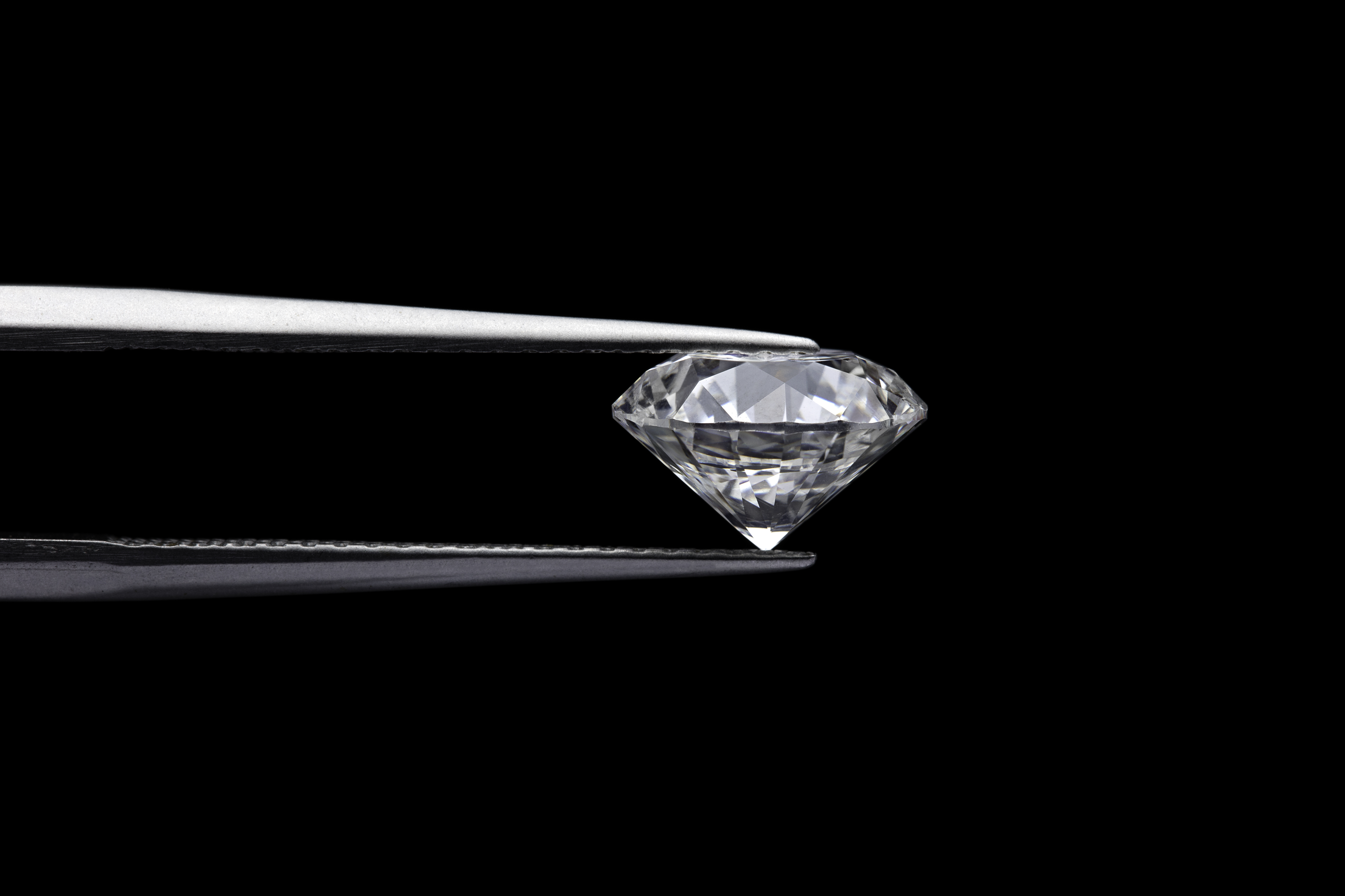
One of the most common questions that arise in the lab-grown vs. natural diamond debate is, "Are lab-grown diamonds real diamonds?" The resounding answer is yes. Lab-grown diamonds are, in fact, real diamonds. These gems are not merely diamond simulants; they possess the same physical, chemical, and optical properties as their natural counterparts.
To substantiate this, the Gemological Institute of America (GIA), a renowned authority in gemology, certifies lab-grown diamonds with the same stringent standards applied to natural diamonds. This certification includes the famous "4Cs'' of diamonds: Carat weight, Cut, Clarity, and Color. Whether a diamond is grown in a laboratory or mined from the earth, it undergoes the same evaluation process.
How lab diamonds are formed
Lab-grown diamonds, also known as synthetic or man-made diamonds, are created through a controlled and highly advanced scientific process. The most common methods for producing lab-grown diamonds are Chemical Vapor Deposition (CVD) and High-Pressure High-Temperature (HPHT).
In the CVD method, a tiny diamond seed crystal is exposed to a hydrocarbon gas mixture in a vacuum chamber. This gas is then ionised, causing carbon atoms to adhere to the seed crystal, layer by layer. Over time, this process forms a complete diamond. The HPHT method, on the other hand, simulates the conditions deep within the Earth's mantle, forcing carbon atoms to crystallise into a diamond structure.
If you are curious to discover more lab grown diamond facts, there are lots of interesting things to learn about these precious gems.
How natural diamonds are formed
Natural diamonds, on the other hand, take shape deep within the Earth's mantle over millions of years. They are formed under immense pressure and high temperatures as carbon atoms bond together to create the coveted gem. These diamonds are brought to the surface through volcanic eruptions or other geological processes, where they can be mined.
Mined natural diamonds come in various types, each with its unique characteristics. For example, the term "conflict-free diamonds" is often used to describe diamonds that are ethically sourced, ensuring they do not contribute to civil conflicts. Additionally, there are fancy coloured diamonds, such as blue, pink, and green diamonds, prized for their rare hues.
It's important to note that not all gemstones that share similarities with diamonds are, in fact, diamonds. Moissanite, for example, is not a lab-grown diamond; it's a mineral composed of silicon carbide. While moissanite boasts brilliance and durability akin to diamonds, it is distinct in its composition. So, it's crucial to be aware of these differences when exploring the world of gemstones and their alternatives. If you're interested in learning more about whether moissanite is a lab-grown diamond, you can explore the topic here.
Differences between lab-grown diamond and natural diamonds
While both lab-grown and natural diamonds share the same beauty and sparkle, there are some key distinctions between the two:
Origin
The most obvious difference is their origin. Lab-grown diamonds are created by humans in a controlled environment, while natural diamonds are the result of geological processes deep within the Earth.
Cost
Lab-grown diamonds are often more affordable than their natural counterparts. The controlled growth process and reduced environmental impact contribute to their cost-effectiveness.
Environmental Impact
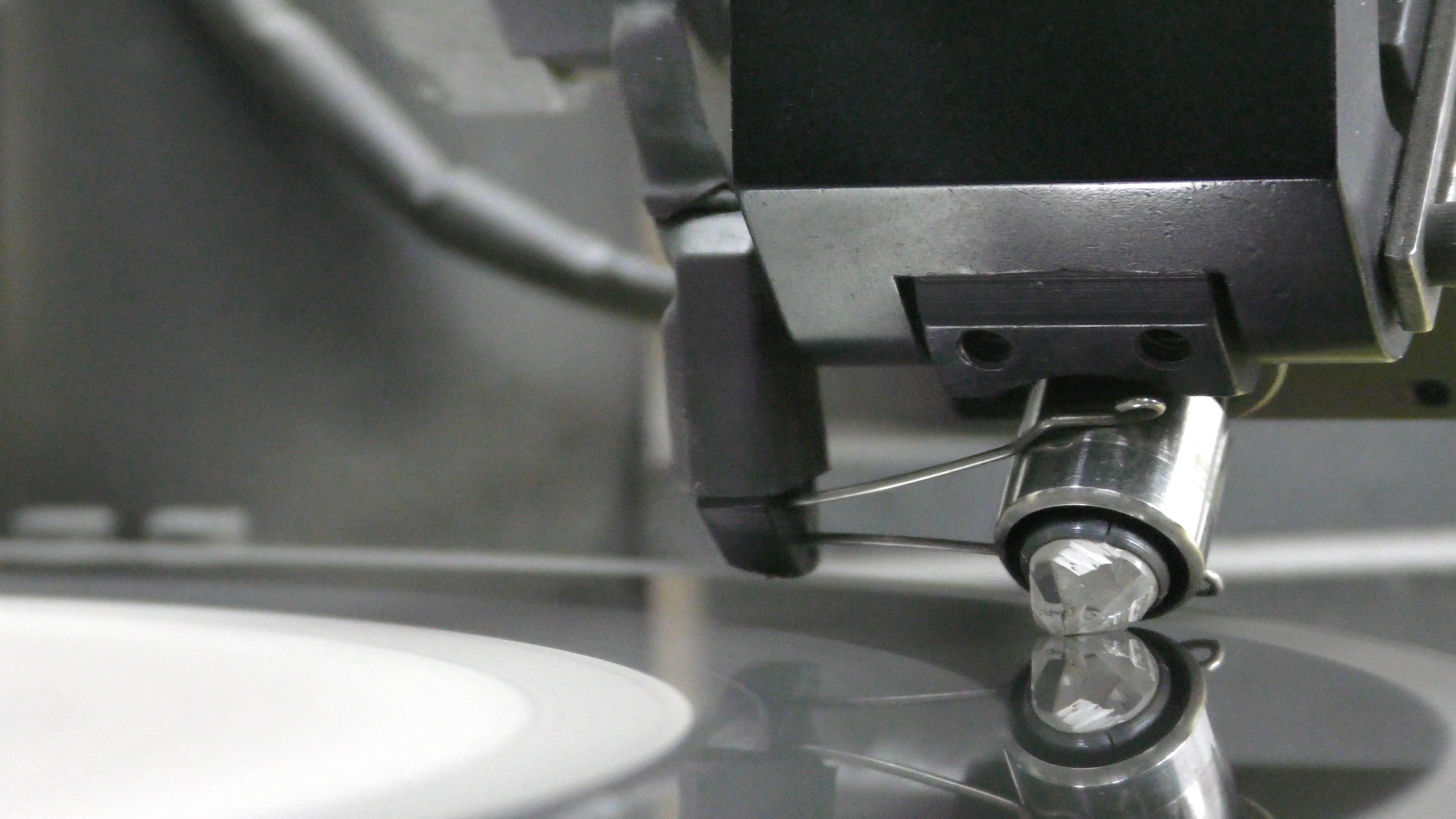
Lab-grown diamonds have a significantly lower environmental footprint. The traditional diamond mining industry can have negative effects on ecosystems, while lab-grown diamonds use fewer resources and produce fewer emissions.
Inclusions
Natural diamonds may contain imperfections or inclusions that are unique to each gem. In contrast, lab-grown diamonds often have fewer inclusions due to the controlled growth environment.
Size and Availability
Lab-grown diamonds are more readily available in larger sizes and various shapes, providing a wider range of options for consumers.
Buy the best natural and lab-grown diamonds at Diamonds Factory
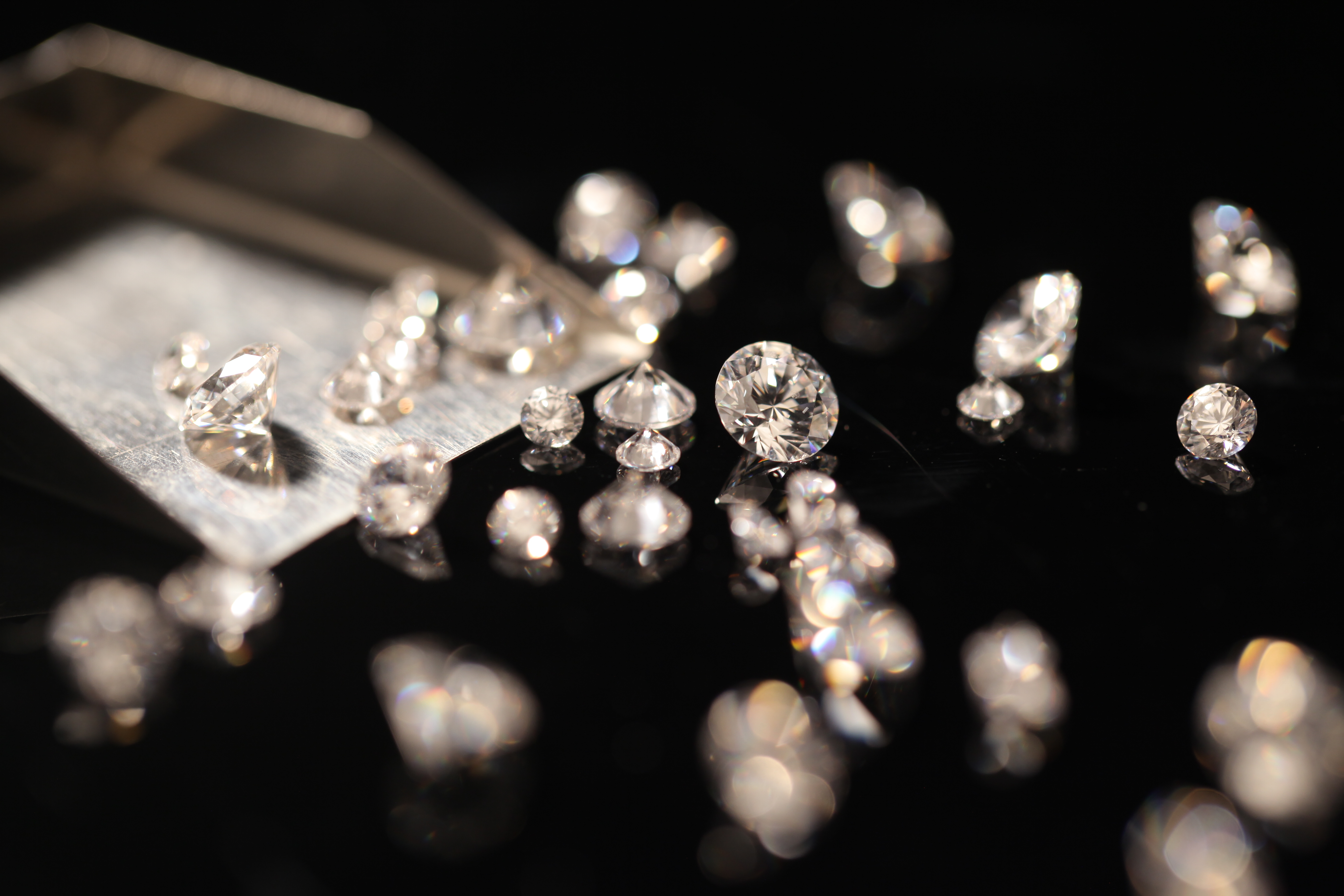
At Diamonds Factory, we understand that choosing between lab-grown and natural diamonds is a matter of personal preference. Both options offer stunning beauty and elegance, and the decision ultimately comes down to your values, budget, and environmental considerations.
Whether you opt for a lab-grown diamond, a natural one, or a pair of lab-grown diamond earrings, you can trust that we provide the highest quality and craftsmanship to make your jewellery dreams come true. Shop our extensive collection, including a wide range of diamonds, from classic natural diamonds to brilliant lab-grown alternatives.





.jpg)


 Unlock private sale access
 Birthday privileges
 Plus a world of exclusives, curated for you.


Lab-grown diamonds vs real diamonds
In the world of exquisite gems, the choice between lab-grown diamonds and natural diamonds is becoming increasingly prevalent. Many wonder whether lab-grown diamonds are indeed real diamonds or just imitations.
Lab-grown diamonds ARE real diamonds
One of the most common questions that arise in the lab-grown vs. natural diamond debate is, "Are lab-grown diamonds real diamonds?" The resounding answer is yes. Lab-grown diamonds are, in fact, real diamonds. These gems are not merely diamond simulants; they possess the same physical, chemical, and optical properties as their natural counterparts.
To substantiate this, the Gemological Institute of America (GIA), a renowned authority in gemology, certifies lab-grown diamonds with the same stringent standards applied to natural diamonds. This certification includes the famous "4Cs'' of diamonds: Carat weight, Cut, Clarity, and Color. Whether a diamond is grown in a laboratory or mined from the earth, it undergoes the same evaluation process.
How lab diamonds are formed
Lab-grown diamonds, also known as synthetic or man-made diamonds, are created through a controlled and highly advanced scientific process. The most common methods for producing lab-grown diamonds are Chemical Vapor Deposition (CVD) and High-Pressure High-Temperature (HPHT).
In the CVD method, a tiny diamond seed crystal is exposed to a hydrocarbon gas mixture in a vacuum chamber. This gas is then ionised, causing carbon atoms to adhere to the seed crystal, layer by layer. Over time, this process forms a complete diamond. The HPHT method, on the other hand, simulates the conditions deep within the Earth's mantle, forcing carbon atoms to crystallise into a diamond structure.
If you are curious to discover more lab grown diamond facts, there are lots of interesting things to learn about these precious gems.
How natural diamonds are formed
Natural diamonds, on the other hand, take shape deep within the Earth's mantle over millions of years. They are formed under immense pressure and high temperatures as carbon atoms bond together to create the coveted gem. These diamonds are brought to the surface through volcanic eruptions or other geological processes, where they can be mined.
Mined natural diamonds come in various types, each with its unique characteristics. For example, the term "conflict-free diamonds" is often used to describe diamonds that are ethically sourced, ensuring they do not contribute to civil conflicts. Additionally, there are fancy coloured diamonds, such as blue, pink, and green diamonds, prized for their rare hues.
It's important to note that not all gemstones that share similarities with diamonds are, in fact, diamonds. Moissanite, for example, is not a lab-grown diamond; it's a mineral composed of silicon carbide. While moissanite boasts brilliance and durability akin to diamonds, it is distinct in its composition. So, it's crucial to be aware of these differences when exploring the world of gemstones and their alternatives. If you're interested in learning more about whether moissanite is a lab-grown diamond, you can explore the topic here.
Differences between lab-grown diamond and natural diamonds
While both lab-grown and natural diamonds share the same beauty and sparkle, there are some key distinctions between the two:
Origin
The most obvious difference is their origin. Lab-grown diamonds are created by humans in a controlled environment, while natural diamonds are the result of geological processes deep within the Earth.
Cost
Lab-grown diamonds are often more affordable than their natural counterparts. The controlled growth process and reduced environmental impact contribute to their cost-effectiveness.
Environmental Impact
Lab-grown diamonds have a significantly lower environmental footprint. The traditional diamond mining industry can have negative effects on ecosystems, while lab-grown diamonds use fewer resources and produce fewer emissions.
Inclusions
Natural diamonds may contain imperfections or inclusions that are unique to each gem. In contrast, lab-grown diamonds often have fewer inclusions due to the controlled growth environment.
Size and Availability
Lab-grown diamonds are more readily available in larger sizes and various shapes, providing a wider range of options for consumers.
Buy the best natural and lab-grown diamonds at Diamonds Factory
At Diamonds Factory, we understand that choosing between lab-grown and natural diamonds is a matter of personal preference. Both options offer stunning beauty and elegance, and the decision ultimately comes down to your values, budget, and environmental considerations.
Whether you opt for a lab-grown diamond, a natural one, or a pair of lab-grown diamond earrings, you can trust that we provide the highest quality and craftsmanship to make your jewellery dreams come true. Shop our extensive collection, including a wide range of diamonds, from classic natural diamonds to brilliant lab-grown alternatives.